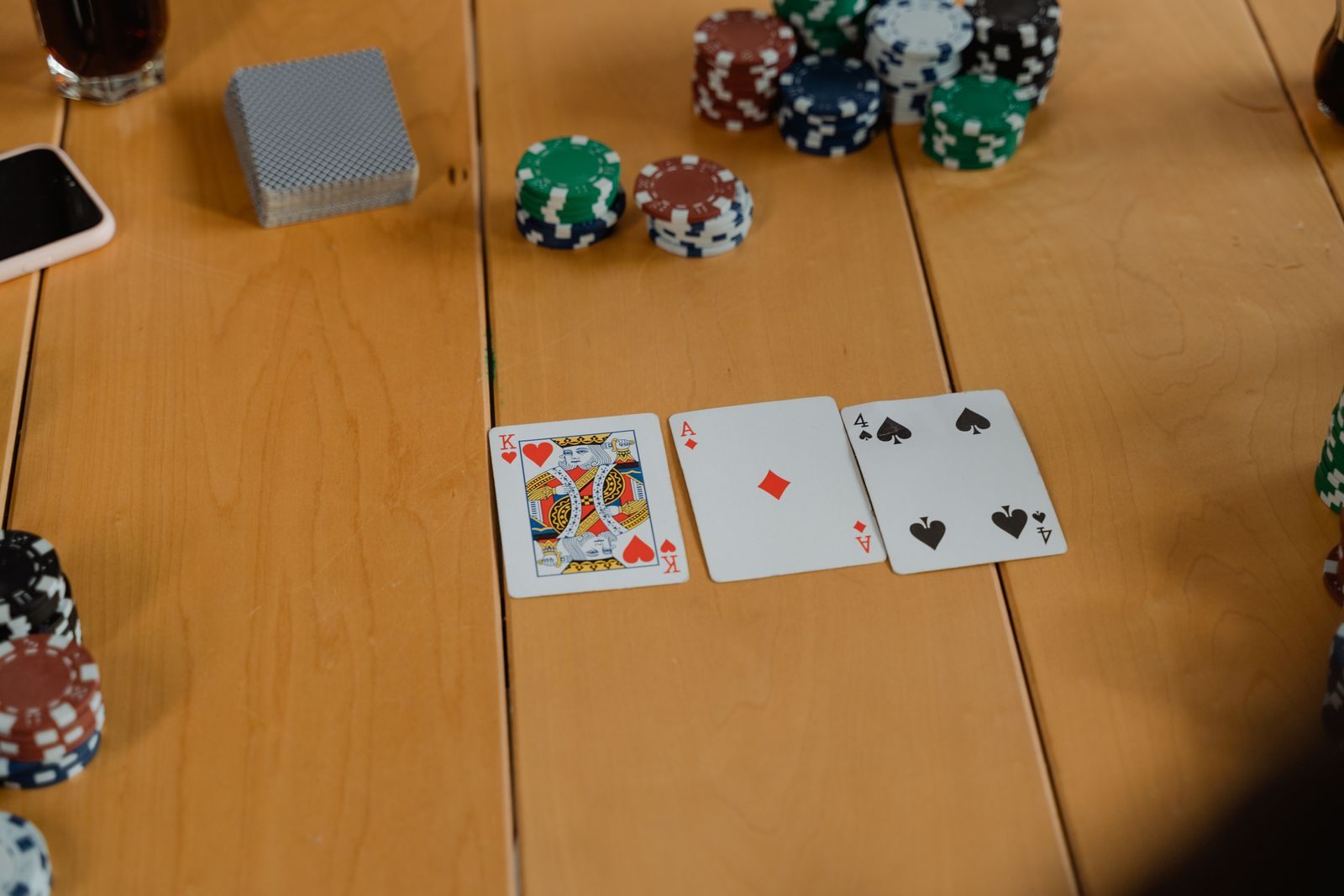
From the player’s seat, the dealer just hands out cards. From the box, the job is closer to running a small, fast-moving business every half hour: you control the deck, the chips, the pace and the rules, and you answer to the floor supervisor if anything goes wrong.
A Typical Shift
Poker rooms usually rotate dealers between tables on a fixed schedule. Each stint at a table is called a down, and between downs you take short breaks. Over a shift you may deal several different games and limits, from low-stakes hold’em to mixed games, depending on the room and your experience.
- Check in, get your table assignment and take over from the previous dealer mid-game without slowing it down.
- Shuffle, deal and run each hand: pitching cards, announcing action, collecting bets into the pot.
- Calculate and pay out pots, including side pots when a player is all in.
- Take the rake or collection if the room charges one, following the house procedure exactly.
- Call the floor supervisor for disputes, rule questions or anything unusual.
- Hand the table to the next dealer cleanly when your down ends.
Who You Work With
Floor supervisors
Make rulings, seat players, open and close games, and resolve disputes. A dealer calls the floor rather than arguing with a player.
Brush and podium staff
Manage the waiting list and seat players as spots open. In smaller rooms the floor handles this too.
Chip runners and cage cashiers
Bring chips to the table and handle cash. Dealers usually never handle a player’s cash directly beyond the room’s procedure.
Surveillance
Cameras watch every table. Clean, consistent hand movements protect you as much as they protect the game.
How Dealers Are Paid
Pay structures differ between rooms and states, so ask during any interview. In many U.S. poker rooms a large share of a dealer’s income comes from tips — often called tokes — on top of an hourly wage. Some rooms let dealers keep their own tips from each down; others pool tips and share them across the dealing staff. Busy rooms, bigger games and tournament seasons usually mean more tips, while quiet weeknights mean fewer.
Because income can swing, it helps to understand the room’s schedule, its busy seasons and how tips are handled before you accept a job.
The Less Glamorous Parts
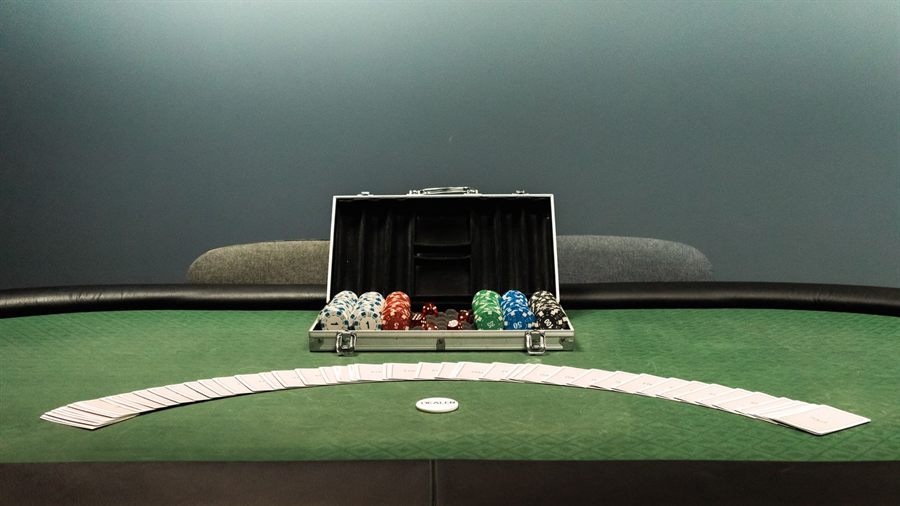
The job is physical. You sit for long periods, repeat the same wrist and finger movements thousands of times, and work under bright lights and cameras. Late nights, weekends and holidays are standard because that is when people play. Players can be rude, and the dealer is the easiest target when someone loses a big pot. Good dealers learn to stay neutral, keep the game moving and let the floor deal with problems.
There is real upside too: a portable skill, a social workplace, and in many rooms a path to floor supervisor or tournament roles for people who prove reliable.
Poker Dealer vs. Table Games Dealer
| Poker dealer | Table games dealer | |
|---|---|---|
| Who you play against | Nobody — players compete with each other | The house — you represent the casino |
| Main skills | Pitching, pot and side-pot math, rake, reading action | Game procedures, payouts at fixed odds, chip handling |
| Typical income mix | Wage plus tips, which depend heavily on the room | Wage plus tips, often pooled |
| Training | Often poker-only courses | Usually one course per game (blackjack, craps, roulette) |
Many dealers learn both, because being able to deal several games makes you more useful to a casino with a mixed floor.
21+ note: Most U.S. casinos and many card rooms require gaming employees to be at least 21, and Nevada law sets 21 as the minimum for any gaming employee. Some states and venues set different ages, so check with your state’s gaming regulator before you enroll anywhere. This site explains a job; it does not promote gambling. If gambling is causing harm for you or someone close to you, the National Council on Problem Gambling lists free, confidential help.
See the Skills You Will Learn
Pitching, chip cutting, pot math and game protection are the core of any poker dealer school. Here is what each one involves.
Explore Dealer Skills