Poker Dealer Skills
The hand skills and game skills a dealer needs before an audition.
Where to TrainThe skills taught at a poker dealer school fall into two groups: hand skills you build through repetition, and game skills you build by running real hands. Both have to be automatic before an audition, because a casino wants someone who can keep a table moving without thinking about the mechanics.
Hand Skills
Shuffling
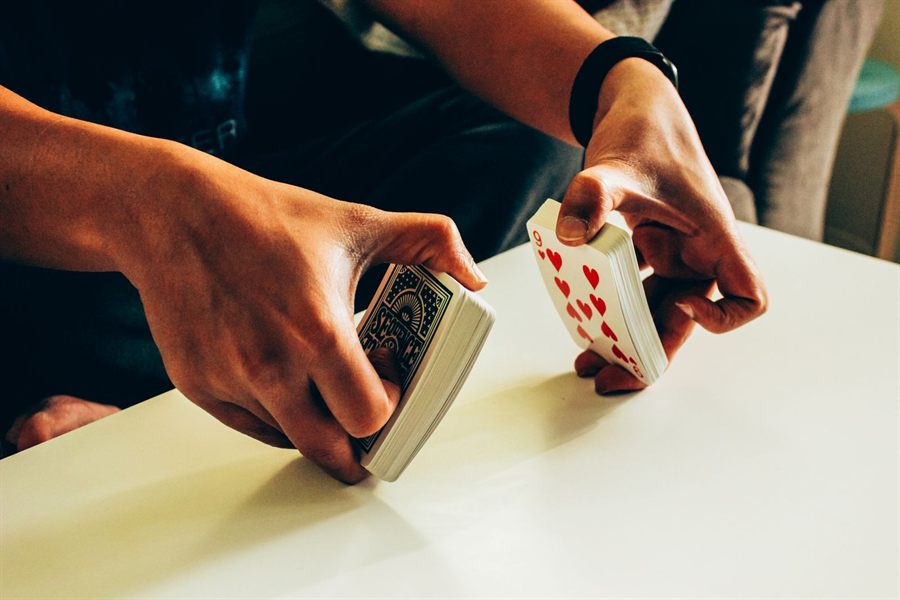
A consistent wash (scrambling cards face down on the table), riffles, a strip or box, and a cut, done the same way every hand so the deck is random and nobody sees a card.
Pitching
Sending each card, face down, to the right seat so it lands flat and close to the player. Accuracy matters more than speed at first.
Chip handling
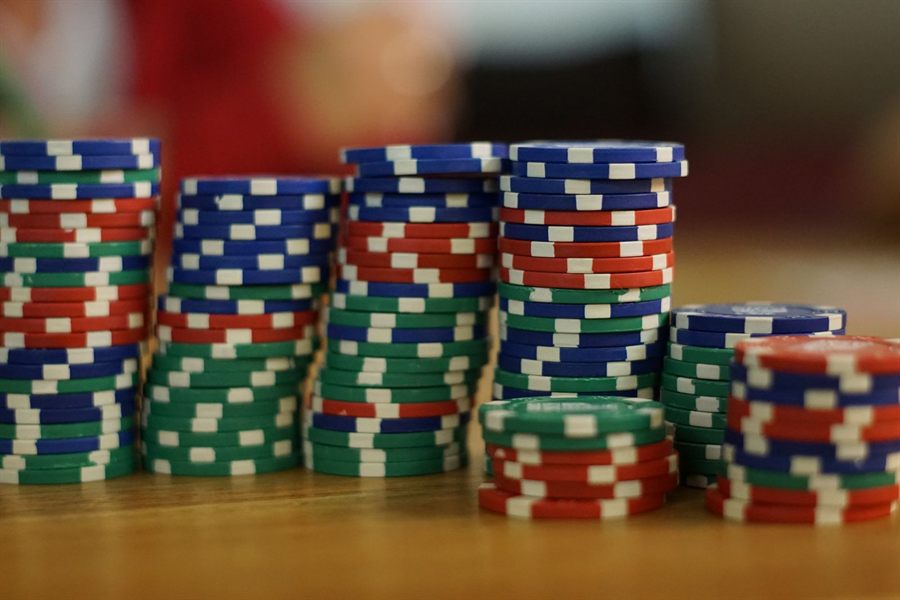
Cutting stacks into equal piles by touch and sight, sizing a bet against a stack, and stacking pots neatly so anyone can see the amount.
Game Skills
- Reading the action: knowing whose turn it is, what the bet is, and what each player can legally do next.
- Pot math: counting a pot accurately and quickly, including in pot-limit games where the maximum bet depends on the pot.
- Side pots: when a player is all in for less than others, building the main pot and each side pot in the correct order.
- Rake and collections: taking the house charge exactly as the room’s procedure says, at the right moment in the hand.
- Showdowns: reading hands correctly, awarding the pot, and splitting it fairly when hands tie.
- Game variety: most rooms start new dealers on hold’em; Omaha, stud and mixed games come later.
Game Protection
Protecting the game means keeping it fair for every player and for the house. A dealer protects the deck by never exposing cards, keeps the muck (discarded cards) separate and untouchable, watches that chips stay in play on the table, and stops the action to call the floor if something looks wrong — a card exposed, a bet made out of turn, an angle that could unfairly affect a hand. Dealers also follow strict rules about their own hands: clearing them when leaving a table and keeping movements open so cameras can see them. None of this is about suspecting players; it is about procedures that keep everyone confident the game is straight.
People Skills
The best dealers are calm, neutral and quietly in charge. They keep the game moving with a friendly word, avoid giving opinions on how anyone played a hand, and never let a frustrated player rattle them. They also know when to stop and call the floor instead of making a ruling themselves.
Instructors watch for this in practice games, and casino auditions often include a moment where someone plays the difficult customer to see how you react.
How to Practice
- Practice pitching to marked spots at the right distances for a full table.
- Cut chips into stacks by feel until you can do it without looking down for long.
- Deal full hands for friends playing for nothing but practice, calling the action out loud.
- Write out side-pot scenarios and solve them, then time yourself.
- Film your hands from above; uneven movements are easy to see on video.
Frequently Asked Questions
Can I learn to deal poker on my own at home?
You can practice a lot at home with a deck, a chip set and a flat surface, and many dealers do. But it is hard to spot your own bad habits, and you will not learn pace and table management without live players. Most people combine home practice with a class or casino program.
Is the pot math difficult?
It is arithmetic, not advanced math, but it has to be fast and correct while people watch. Side pots with several all-in players are where beginners struggle. Schools drill these until you can build the pots in order without stopping the game.
Ready to Train?
Compare the four main ways to learn poker dealing — private schools, community colleges, casino programs and online courses — and what drives their cost.
Compare Training Options